
Finding the best ryokan in kyoto with private onsen can transform a standard Japanese vacation into an unforgettable wellness retreat. Nestled among bamboo groves, historic temple districts, and peaceful mountain valleys, Kyoto offers some of the most serene hot spring accommodations in the world. Whether you are a couple seeking a romantic getaway, a family desiring space and comfort, or a traveler with tattoos looking for absolute privacy, securing a ryokan with its own private bath delivers unmatched relaxation.
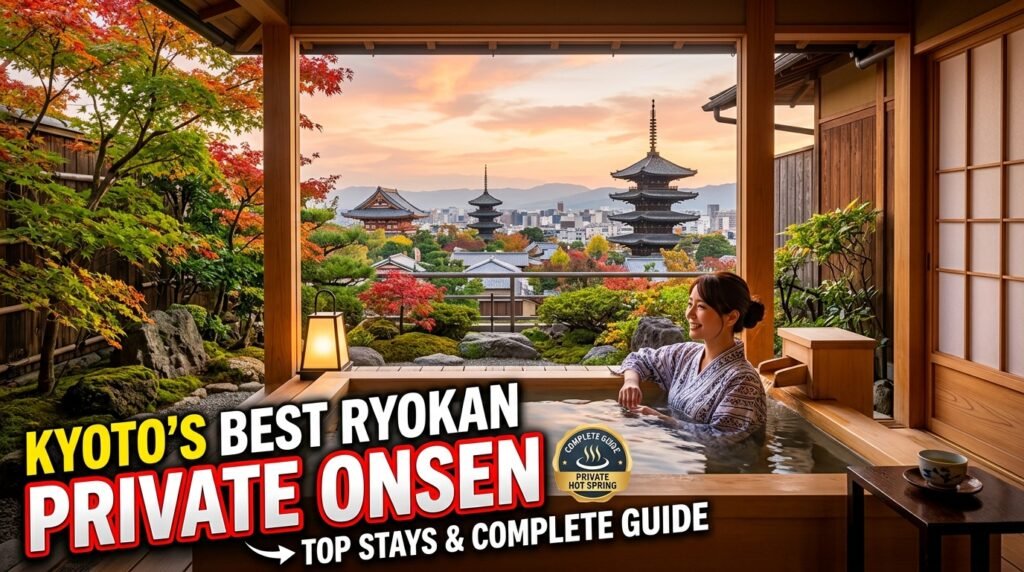
This comprehensive guide breaks down everything you need to know about booking the best ryokan in kyoto with private onsen. We will cover top-rated luxury properties, essential booking advice, cultural etiquette, and strategic travel itineraries to ensure your time in Japan’s cultural capital is seamless and memorable.
Key Highlights
- Absolute Privacy: Experience traditional Japanese rotenburo (open-air baths) in the comfort of your private guest room or reserved bathhouse.
- World-Class Dining: Enjoy multi-course kaiseki dinners featuring seasonal local Kyoto produce served directly to your room or private dining hall.
- Tattoo-Friendly Bathing: Private onsen solutions eliminate all traditional public bath rules and restrictions for tattooed travelers.
Why best ryokan in kyoto with private onsen Matters Right Now
Staying at a Japanese inn (ryokan) equipped with a private hot spring bath (rotenburo or kashikiri-buro) provides an intimate immersion into classic Japanese hospitality (omotenashi). While public bathhouses are culturally significant, private onsen rooms remove any potential awkwardness, allow couples and families to soak together, and grant access 24 hours a day.
- Stress-Free Soaking for Everyone: Couples and families can share hot spring moments together, which is forbidden in gender-segregated public baths.
- Guaranteed Tattoo Accommodations: Foreign travelers with tattoos can enjoy authentic hot spring waters without worrying about public bath restrictions.
- Hyper-Seasonal Kaiseki Gastronomy: Most high-end ryokans pair private bathing facilities with elaborate multi-course meals prepared by master chefs.
Comprehensive Guide to best ryokan in kyoto with private onsen
To help you choose and execute the ideal stay, follow this three-phase strategy covering selection, booking, and on-site etiquette.
Phase 1: Getting Started
Selecting the right area within Kyoto is the most important first step. Kyoto’s private bath accommodations are primarily spread across four distinct zones:
- Arashiyama (Western Kyoto): Famous for bamboo groves, river views, and natural alkaline hot springs. Ideal for nature lovers and romantic retreats.
- Higashiyama & Central Kyoto: Historic machiya townhouses converted into luxury stays near ancient temples and Gion. Great for sightseers wanting central access.
- Takao & Northern Mountains: Forested mountain valleys offering secluded riverfront views and crisp mountain air.
- Yunohana Onsen (Kameoka): A dedicated hot spring valley located 30 minutes west of Kyoto Station by train. Famous for mineral-rich waters and peaceful countryside views.
Phase 2: Key Execution & Best Practices
When choosing the best ryokan in kyoto with private onsen, pay close attention to room types and bath specifications.
Top Recommended Properties
- Yunohana Resort Suisen (Kameoka): Offers private open-air balconies with baths fed directly by natural thermal hot springs. Perfect for countryside tranquility.
- Nazuna Kyoto Tsubaki St. (Central Kyoto): Beautifully restored 100-year-old machiya townhouses featuring private outdoor cypress (hinoki) or stone baths.
- Kyoto Arashiyama Onsen Kadensho: Located right across from Hankyu Arashiyama Station. Features five private reservable baths alongside traditional guest rooms.
- Seryo (Ohara): Located in the northern countryside, offering guest rooms with private open-air baths overlooking mountain scenery.
Key Booking Steps
- Book 3 to 6 Months in Advance: Private onsen rooms sell out rapidly, especially during spring cherry blossom (April) and autumn foliage (November) seasons.
- Verify Water Type: Check whether the private bath uses natural thermal spring water (onsen) or heated mineral/tap water (mizuburo or hinokiburo), as both are popular in Kyoto.
- Specify Dietary Restrictions: Contact the ryokan at least two weeks before arrival if you require vegetarian, vegan, or allergy-friendly kaiseki meal options.
Phase 3: Advanced Optimization & Final Adjustments
To ensure maximum comfort during your stay, keep these final operational tips in mind:
- Arrive by 3:00 PM: Check-in at traditional ryokans usually starts early so guests can relax in the bath and prepare for kaiseki dinner service, which typically begins between 6:00 PM and 7:00 PM.
- Master Onsen Etiquette: Wash and rinse thoroughly at the shower station before stepping into the private tub. Never submerge small modesty towels into the bathwater.
- Wear Provided Yukata: Guests are encouraged to wear the provided cotton robes (yukata) and slippers throughout the ryokan property, including dining rooms and lounges.
Strategic Comparison & Quick Overview
| Property Name | Location | Bath Type | Ideal For |
| Yunohana Resort Suisen | Kameoka (30 mins from Kyoto) | Natural Thermal Onsen (Private Balcony) | Couples wanting authentic thermal springs in countryside. |
| Nazuna Kyoto Tsubaki St. | Central Kyoto | Private Open-Air Hinoki / Stone Tub | Travelers wanting modern luxury in a historic machiya. |
| Arashiyama Onsen Kadensho | Arashiyama | 5 Reservable Private Baths + Public Onsen | Families and travelers with tattoos wanting options. |
| Seryo | Ohara (Northern Mountains) | Private Balcony Bath with Mountain Views | Nature lovers seeking secluded romantic atmosphere. |
Essential Rules to Keep in Mind
- Check Tax Requirements: Kyoto imposes a local accommodation tax and an onsen bath tax per person per night, usually paid in cash upon check-out.
- Respect Meal Times: Kaiseki dinners are meticulously timed by master chefs; arriving late to dinner can compromise the quality of delicate courses.
- Confirm Private Bath Reservation Rules: Some properties feature private baths in guest rooms, while others use reservable private bathhouses on a first-come, first-served basis.
Resources & Recommended Reading
- Official Portals: Check official Kyoto tourism websites for seasonal festival dates, transport passes, and local hot spring regulations.
- Expert Guides: Consult regional travel publications and verified ryokan directories to check current seasonal menus and updated room layouts.
Frequently Asked Questions
- What is the difference between a natural onsen and a private bath tub in Kyoto?A natural onsen uses geothermally heated mineral water from underground springs, whereas some private ryokan baths use heated spring water or local tap water infused in fragrant wooden hinoki tubs.
- Can people with tattoos use private onsen in Kyoto?Yes, private in-room or reservable baths allow guests with tattoos to bathe in complete privacy without violating public bath policies.
- How far in advance should I book the best ryokan in kyoto with private onsen?It is best to book 3 to 6 months in advance, especially for peak foliage and cherry blossom travel seasons.
- Is dinner included when staying at a traditional Kyoto ryokan?Most traditional ryokan rates include a multi-course kaiseki dinner and traditional Japanese breakfast (half-board package).
- Where are the best natural hot spring areas located around Kyoto?The two top natural hot spring districts near Kyoto are Arashiyama to the west and Yunohana Onsen in Kameoka.
- Are private onsen suitable for families with young children?Yes, private baths provide a comfortable, controlled environment where families can bathe together without worrying about public bath decorum.
- What should I wear inside a traditional ryokan?Guests are provided with cotton yukata robes and slippers to wear comfortably throughout the inn, including during meals.
- Do Kyoto ryokans accommodate dietary restrictions for dinner?Many high-end ryokans cater to dietary restrictions if informed at least 7 to 14 days prior to check-in.
- How much does a night at a luxury private onsen ryokan cost in Kyoto?Rates typically range from 45,000 JPY to 120,000+ JPY per night for two guests, including multi-course meals.
- Can I visit a private onsen in Kyoto without staying overnight?Some day-use hot spring facilities and ryokans offer daytime bath packages with lunch, though overnight stays offer the fullest experience.
Final Thoughts
Choosing the best ryokan in kyotoBlog with private onsen creates an unforgettable highlight for any trip to Japan. By balancing location, bath specifications, and seasonal dining options, you can tailor a relaxing stay that perfectly suits your travel style. Book early, take time to unwind, and enjoy one of Japan’s finest wellness traditions!